

Key Takeaways
- Know what qualifies as an emergency: Issues involving health, safety, security, or active property damage generally require immediate attention.
- Not every repair is urgent: Minor leaks, cosmetic issues, and nonessential appliance problems can typically be handled through the routine maintenance process.
- Respond based on severity: Emergency, urgent, and routine requests should each have their own response and repair priorities.
- Prepare for seasonal problems: Central Indiana landlords should be especially prepared for frozen pipes, furnace failures, storms, and other weather-related maintenance issues.
- Have a system in place: A reliable maintenance process and dependable vendor network can make after-hours emergencies much easier to manage.
Knowing what qualifies as emergency maintenance is an important part of protecting a rental property and responding appropriately when something goes wrong. Not every maintenance request requires an immediate response, but issues involving health, safety, security, or significant property damage can’t afford to wait.
For landlords in Central Indiana, understanding the difference between an emergency and a routine repair can help prevent unnecessary costs while ensuring serious problems are addressed promptly.
Real Property Management Crossroads helps rental owners navigate these situations with clear processes for handling maintenance requests, including after-hours emergencies.
What Actually Counts as a Rental Emergency
A true emergency is something that threatens someone’s health or safety, or is actively causing significant damage to the property. If either condition is true, it’s an emergency.
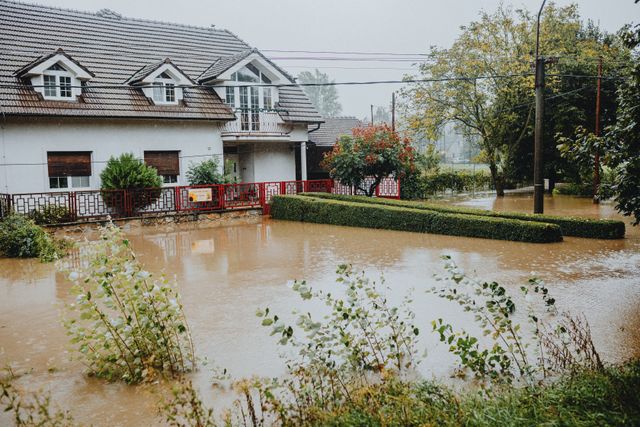
Here are some examples of emergency maintenance situations:
- No heat in freezing weather. Indiana winters routinely drop below freezing from December through February, and a furnace failure isn’t a comfort issue at that point, it’s a pipe-bursting, pipe-freezing risk.
- Active water leaks or flooding. A burst supply line, an overflowing toilet that won’t stop, or water coming through a ceiling needs someone on-site within hours, not days.
- Gas odor. Any report of a gas smell is an emergency, full stop. The tenant should be told to leave the home and call the gas company before anyone even calls you.
- Broken smoke or carbon monoxide detector. This is a safety issue with legal weight behind it.
- Sewage backup. A backed-up sewer line is a health hazard, not a plumbing inconvenience.
- Broken exterior doors, windows, or locks. If the home can’t be secured, that’s a safety emergency, especially at night.
- No electricity or no water. A total outage, as opposed to one dead outlet, qualifies.
What Isn’t an Emergency, Even If It Feels Like One
This is where a lot of accidental landlords, especially those managing a property after relocating out of state, get tripped up. A tenant calling at 9 p.m. sounds urgent. It often isn’t.
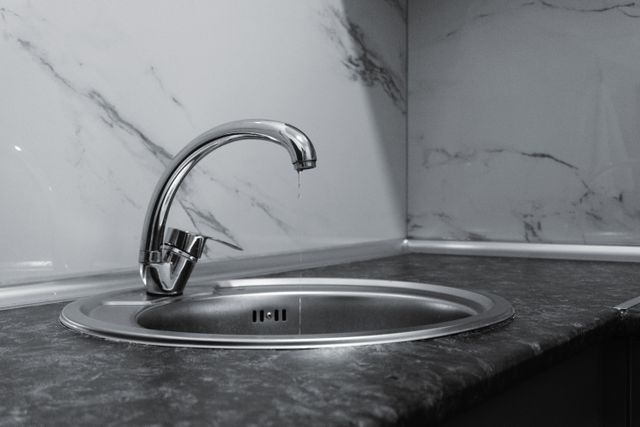
A dripping faucet is not an emergency. Neither is an air conditioner that’s underperforming during a mild 70-degree week, a running toilet, a loose cabinet door, a minor pest sighting, or a dishwasher that quit working.
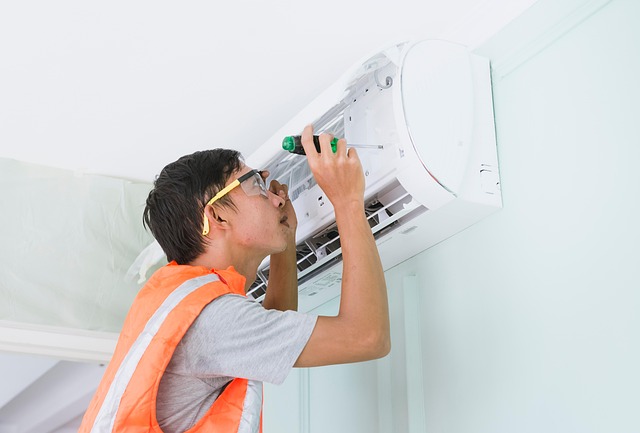
These issues matter, and they need to get fixed, but they can wait for a scheduled visit during business hours. Treating every maintenance text as a 2 a.m. crisis burns out self-managing landlords fast and trains tenants to escalate everything.
The test we use, and the one we’d suggest for any rental property owner, is simple: is anyone in danger, or is the home being damaged as we speak? If not, it goes in the routine queue.
Response Timelines That Protect Your Property
Timelines should scale to the level of risk.
True emergencies (no heat in winter, active flooding, gas smell, sewage backup, security failures) need to be acknowledged within one to two hours and have a vendor on-site the same day, sometimes the same hour if possible.
This is non-negotiable in a market where a frozen and burst pipe can mean thousands of dollars in drywall, flooring, and insulation damage before morning.
Urgent but non-life-threatening issues (AC failure during a heat wave, a refrigerator that stopped cooling, one dead smoke detector while others are working) should get a response within 24 to 48 hours.
Routine requests (dripping faucets, minor cosmetic repairs, appliance issues that don’t affect health or safety) can reasonably sit in a 3 to 5 business day window, batched with other work at the property when possible.
A rental property owner without a system tends to treat all three the same way, either overreacting to a leaky faucet on a Sunday or under-reacting to a furnace call in February. Neither protects your property to the degree that an investment of that size should be protected.
Winter s Central Indiana’s Emergency Season
If you own a single-family rental anywhere from Brownsburg to Zionsville to the west side of Indianapolis, December through February is when your emergency maintenance calls spike. Frozen and burst pipes, failed furnaces, and ice dams pulling gutters off the roofline are the three calls we field most during a hard freeze.
A furnace that fails on a 15-degree night in Hendricks County isn’t a next-week fix, it’s a same-day fix, because the alternative is frozen pipes inside the walls, not to mention the danger posed to any tenants.
Spring brings its own version: severe storm season means downed limbs, roof damage, and occasional flooding from heavy rain. None of this is unique to us, but it’s why we push rent-ready and seasonal upkeep hard before winter and before storm season rather than reacting after the damage is done.
Why Self-Managing Landlords Get Caught Off Guard
The pain point we hear most from accidental landlords, especially owners who relocated for work and kept the house, isn’t that they don’t care about their tenant. It’s that they don’t know who to call. A tenant in Whitestown reports no heat at 10 p.m., and the out-of-state owner is now trying to find an HVAC company at midnight while sitting in a different time zone.

That gap is where properties get damaged and tenants get frustrated enough to give notice at lease renewal. An Indianapolis tenant who can’t reach anyone during a real emergency, and has to sit with a flooded bathroom overnight, remembers that. So does the next tenant, once word gets around.
How RPM Crossroads Handles After-Hours Maintenance
We’ve built 24/7 owner and tenant portals with after-hours maintenance support into how we manage every property. A tenant reporting a true emergency doesn’t wait on a callback from an owner who’s asleep or living three states away. They reach a system that’s built to triage the call, dispatch a vendor from our national network, and keep the owner informed.
We’re backed by Real Property Management’s vendor partnerships so there’s never a scramble to find available maintenance workers. We have relationships in place, which matters when a furnace goes out during a cold snap and every HVAC company in Hendricks County is booked solid.
We also draw a clear line for owners in writing about what counts as urgent versus routine, so there’s no guessing and no surprise bill for a same-day vendor call on something that could have waited. That’s part of what we mean by transparent pricing: you should know what you’re being charged for and why before the invoice shows up.
Bottom Line
Emergency maintenance is about more than responding quickly—it’s about knowing which problems require immediate attention and having a reliable process for addressing them. A clear distinction between emergencies, urgent issues, and routine repairs can help protect your property while keeping maintenance manageable.
For owners who don’t want to be on call every time something goes wrong, professional property management can provide the systems, vendor relationships, and local support needed to handle maintenance more effectively.
The right approach gives you confidence that serious problems won’t be overlooked while routine repairs are handled appropriately year round.
Frequently Asked Questions
Should Landlords Have A Separate Emergency Maintenance Fund?
Yes. Rental property owners can benefit from maintaining a dedicated reserve for unexpected repairs, particularly for major systems such as HVAC, plumbing, electrical, and roofing. Emergency calls may also involve after-hours vendor charges that are higher than routine service. The appropriate reserve depends on the property’s age, condition, systems, and overall financial plan.
How Can Landlords Reduce Emergency Maintenance Calls?
Preventive maintenance can help reduce the likelihood of certain emergencies. Owners should stay current on HVAC servicing, plumbing concerns, roof inspections, exterior maintenance, and other systems that can deteriorate over time. Seasonal preparation is particularly useful in Central Indiana, where freezing temperatures and severe storms can create additional risks for rental properties.
Should Landlords Give Tenants Emergency Maintenance Instructions?
Yes. Clear instructions can help tenants distinguish between an emergency and a routine maintenance request and understand what to do when an urgent problem occurs. Owners should provide an appropriate contact method and explain situations that require immediate action, such as a gas odor, major water leak, loss of heat during freezing weather, or a serious security issue.
What Should An Emergency Maintenance Policy Include?
A useful policy should define what qualifies as an emergency, how tenants should report one, and what steps they should take when immediate safety concerns exist. It should also explain how routine requests are submitted and handled. For landlords, documenting these procedures in writing can create a consistent process and reduce confusion when an issue occurs outside normal business hours.
Can A Property Manager Handle Emergency Maintenance For Rental Owners?
Many full-service property management companies offer maintenance coordination as part of their services, although the exact scope varies by company and management agreement. Owners considering this option should ask how after-hours requests are handled, how vendors are selected, how emergency expenses are authorized, and how owners are notified when significant repairs are needed.
This content is provided for general informational and educational purposes only and does not constitute financial, legal, tax, or investment advice. Readers should consult with licensed professionals regarding their specific circumstances.
We are pledged to the letter and spirit of U.S. policy for the achievement of equal housing opportunity throughout the Nation. See Equal Housing Opportunity Statement for more information.
