

 Key Takeaways
- A structured rent-ready process helps reduce vacancy by standardizing inspections, repairs, cleaning, and marketing between tenants.
- Starting repairs and marketing quickly can shorten the time between leases and reduce lost rental income.
- Professional photos, accurate listings, and early applicant screening can help speed up tenant placement.
- A repeatable turn process protects the property while reducing the amount of hands-on work required from owners.
Between tenants, every vacant day represents lost rental income while expenses such as utilities, insurance, taxes, and maintenance continue. A rent-ready turn process helps reduce that gap by creating a clear plan for what happens between move-out and the next lease.
Real Property Management Crossroads uses a repeatable process covering inspections, repairs, cleaning, marketing, screening, and move-in preparation. The goal is to get the property ready, attract qualified applicants, and begin the next tenancy as efficiently as possible.
What Is A Rent-Ready Turn Process?
This is the process of preparing a rental property between tenants. It involves more than cleaning. Owners also need to inspect the property, complete necessary repairs, address cosmetic issues, prepare marketing materials, screen applicants, and get the lease ready.
Following these steps in a consistent order reduces guesswork and helps prevent avoidable delays.
Step 1: Complete The Move-Out Inspection
Inspect the property as soon as the previous tenant leaves. Document its condition with written notes and photos, paying particular attention to damage, maintenance needs, and areas requiring deep cleaning.

The inspection identifies what needs to be completed before the next tenant arrives and provides documentation if deductions from the security deposit are necessary.
In Indiana, landlords generally must return the security deposit or provide an itemized list of deductions within 45 days of move-out, making clear documentation particularly important.
Step 2: Prioritize Repairs and Make-Ready Work
Once the inspection is complete, prioritize repairs based on urgency.
Address safety issues first, including broken locks, electrical hazards, structural problems, and other potential health or safety concerns. Next, handle functional issues involving plumbing, appliances, heating, cooling, and other essential systems.
Cosmetic work can follow. Fresh paint, flooring touch-ups, landscaping, and other small improvements can make the property more appealing without unnecessarily extending the turn.
Seasonal maintenance should also be considered. HVAC servicing, exterior maintenance, gutter cleaning, lawn care, and weather-related repairs may be appropriate depending on when the turnover occurs.
Real Property Management Crossroads coordinates maintenance and repairs as part of the turn process, reducing the amount of vendor scheduling owners need to manage themselves.
Step 3: Deep Clean the Property
Once repairs are finished, thoroughly clean the rental before marketing or move-in. This may include carpets, flooring, baseboards, windows, fixtures, kitchens, bathrooms, and appliances.
The property should also smell clean and neutral. Address lingering pet, smoke, or cooking odors, replace dirty air filters, and confirm that all lights and fixtures work.

A clean property photographs and shows better, helping applicants see it as a home they can move into immediately.
Step 4: Prepare Photography and Marketing
High-quality photos are one of the most important parts of a rental listing because prospective tenants often decide whether to inquire based on the listing images.
Real Property Management Crossroads uses professional photography and advertises available rentals across major rental platforms, along with yard signage where appropriate.
The listing itself should provide the information applicants need to determine whether the property is suitable. Include details such as bedroom and bathroom count, major appliances, parking, pet policies, lease terms, and important property features.
Once the property is ready to market, setting a competitive rental price becomes essential. Understanding how much you can rent your house for in Indianapolis can help owners evaluate comparable properties, avoid overpricing, and reduce unnecessary vacancy.
Local advantages can also be highlighted. Depending on the property, proximity to major roads, employers, shopping, schools, or other amenities may help attract applicants looking specifically in that part of Central Indiana.
Step 4: Prepare Photography and Marketing
High-quality photos are one of the most important parts of a rental listing because prospective tenants often decide whether to inquire based on the listing images.
Real Property Management Crossroads uses professional photography and advertises available rentals across major rental platforms, along with yard signage where appropriate.
The listing itself should provide the information applicants need to determine whether the property is suitable. Include details such as bedroom and bathroom count, major appliances, parking, pet policies, lease terms, and important property features.
Local advantages can also be highlighted. Depending on the property, proximity to major roads, employers, shopping, schools, or other amenities may help attract applicants looking specifically in that part of Central Indiana.
Step 5: Begin Tenant Screening
Marketing and screening do not always need to wait until the property is completely vacant. Beginning the application process early can reduce downtime between tenants.
Screening typically considers factors such as credit, background, employment, and rental history. Whatever criteria are used should be documented and applied consistently to applicants in accordance with applicable Fair Housing and consumer reporting requirements.
A consistent screening process helps identify qualified tenants while reducing the risk of decisions based on subjective preferences.
Step 6: Prepare the Lease and Move-In
Once a qualified tenant has been selected, prepare the lease and schedule signing.
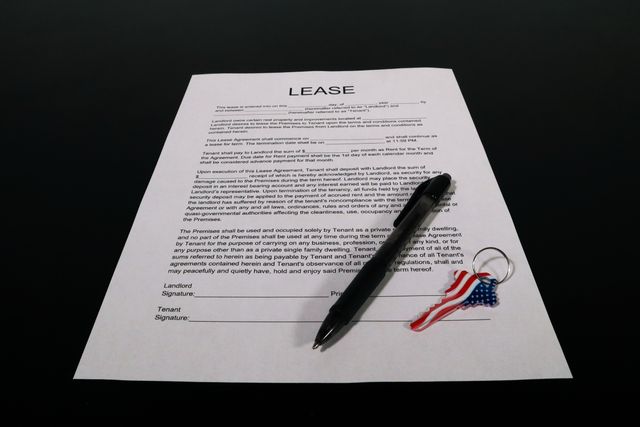
The lease should clearly address rent, the lease term, move-in date, pet policies, maintenance responsibilities, and applicable property rules.
Complete a move-in condition review on or before the tenant’s first day. Document the property’s condition with photos and written notes and have the tenant acknowledge the record. This creates a clear baseline for both parties if questions about damage arise later.
Step 7: Transition to Ongoing Management
After move-in, the property transitions from leasing to ongoing management.
Real Property Management Crossroads provides online portals where tenants can submit maintenance requests and owners can access information about their properties. Maintenance coordination continues through the management team, while owners receive statements showing rental income and property expenses.
Keeping leasing and ongoing management within the same process also helps maintain consistent records from one tenancy to the next.
Why A Repeatable Process Matters
Vacancy is one of the most significant costs associated with rental turnover. Delays caused by scheduling repairs, cleaning, photography, marketing, or screening can extend the period when the property produces no rental income.
A repeatable process helps prevent those steps from becoming disconnected. Repairs can begin as soon as problems are identified, marketing materials can be prepared promptly, and applicant screening can take place while other parts of the turn are being completed.

Tenant retention can reduce turnover costs even further. When a qualified tenant renews, owners avoid many of the expenses associated with marketing, make-ready work, leasing, and vacancy.
The Tenant Replacement Guarantee
Real Property Management Crossroads offers a tenant replacement guarantee. If a tenant placed by the company leaves within six months, a new qualified tenant can be placed without an additional leasing cost.
This makes careful screening especially important. The goal is not simply to fill the property as quickly as possible, but to find a qualified tenant who is a good fit for the rental.
Bottom Line
A rent-ready checklist makes one of the most demanding parts of rental ownership easier to manage. By coordinating inspections, repairs, cleaning, marketing, screening, and move-in preparation, owners can reduce unnecessary delays and get their properties producing rental income again sooner.
Real Property Management Crossroads handles the turn process from move-out through tenant placement and ongoing management, giving Indianapolis-area owners a consistent system for preparing and leasing their rentals.
Call 317-218-7800 or fill out the contact form to discuss your property’s rent-ready needs and request a free rental assessment.
Frequently Asked Questions
How Long Does A Rent-Ready Turn Take?
The timeline depends on the property’s condition, the amount of repair work required, market demand, and the time of year. Properties requiring only cleaning and minor maintenance can usually be prepared much faster than those needing major repairs.
Starting marketing and applicant screening early can also reduce the gap between tenants.
What Are Typical Make-Ready Costs?
Costs depend heavily on the property’s condition. A light turn may require only cleaning, paint touch-ups, and minor repairs, while properties needing new flooring, appliances, plumbing, or HVAC work can cost considerably more.
A property evaluation before work begins can help owners understand which repairs are necessary and prioritize spending.
Can Tenant Damage Be Deducted From The Security Deposit?
Indiana landlords may generally deduct eligible costs for damage beyond normal wear and tear from a tenant’s security deposit. Proper move-in and move-out documentation helps establish the property’s condition and support appropriate deductions.
What Happens If The Property Isn’t Leasing?
If a rental receives little interest, review its pricing, marketing, and condition. Rent may need to be adjusted to reflect the market, the listing may need stronger photos or broader exposure, or an issue with the property itself may be discouraging applicants.
The goal should be to identify the cause rather than simply waiting for inquiries to increase.
Can You Start the Rent-Ready Process Before a Tenant Moves Out?
Yes. Some parts of the process can begin before the current tenant leaves, including scheduling vendors, planning maintenance, and preparing marketing. Once the property is vacant, a full move-out inspection can confirm what repairs and cleaning are actually needed.
Planning ahead can reduce scheduling delays and help shorten the time between tenants.
This content is provided for general informational and educational purposes only and does not constitute financial, legal, tax, or investment advice. Readers should consult with licensed professionals regarding their specific circumstances.
We are pledged to the letter and spirit of U.S. policy for the achievement of equal housing opportunity throughout the Nation. See Equal Housing Opportunity Statement for more information.
